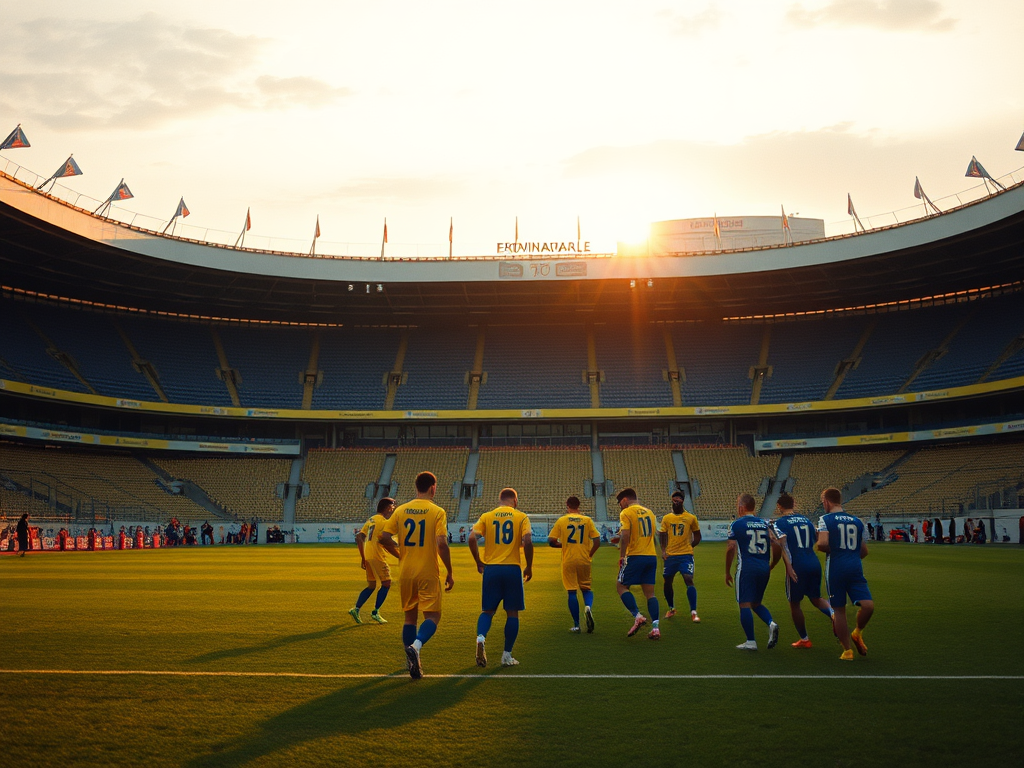
 Frosinone Calcio Hub
As Frosinone Calcio continues to navigate the challenging waters of the league, their recent form has sparked discussions about potential tactical adjustments that could propel the team up the standings. The Canarini have shown flashes of brilliance, but consistency remains elusive—a common theme in their recent matches. This article aims to dissect the tactical framework currently employed by coach and offer suggestions to enhance the team's performance.
Current Tactical Framework
Frosinone has primarily adopted a 4-3-3 formation, which offers flexibility in both attack and defense. This setup allows for width on the flanks, leveraging the talents of the wingers, while the three-man midfield is designed to control the tempo and facilitate ball progression. However, in recent matches, the team has struggled to maintain that balance, often being caught in transition and exposing their backline to counter-attacks.
One noticeable trend is the team's difficulty in recycling possession effectively. Too often, the midfielders have been bypassed, leading to a reliance on long balls that can become predictable. This lack of fluidity has made it easier for opponents to defend against Frosinone's attacks. To address this, a tweak in midfield dynamics could prove beneficial.
Suggested Tweaks
1. Midfield Reinforcement: Introducing a double pivot in midfield could provide greater stability and allow for better ball distribution. By deploying two deeper-lying midfielders, Frosinone could enhance their possession game and provide additional defensive cover, allowing the attacking midfielder to focus on creating opportunities. This would also aid in transitioning from defense to attack more fluidly, with both pivot players capable of playing shorter, more incisive passes.
2. Wider Play: While the use of wingers has been a hallmark of Frosinone’s play, encouraging them to stretch the opposition further could open up space in central areas for the likes of Giacomo Calò to exploit. By encouraging full-backs to overlap, the team can create overloads on the flanks, drawing defenders out of position and providing more options in the final third.
3. Pressing Triggers: Implementing a more coordinated pressing strategy could disrupt the opposition's build-up play. By identifying specific triggers for pressing—such as a backward pass or when an opponent receives the ball in a certain area—Frosinone can regain possession higher up the pitch. This proactive approach could lead to more goal-scoring opportunities and alleviate pressure on the defense.
4. Set-Piece Variations: Frosinone has shown potential during set pieces, but there is room for improvement in execution. Introducing varied routines, especially for corner kicks and free kicks, can keep opponents guessing and increase the likelihood of scoring. Training sessions should focus on creating specific patterns that exploit weaknesses in the opposition's marking schemes.
Conclusion
As the season progresses, Frosinone Calcio has the opportunity to refine their tactical approach to achieve better results. By reinforcing their midfield, emphasizing width, implementing pressing strategies, and diversifying set pieces, the Canarini can enhance their performance level. These adjustments could not only boost morale within the squad but also endear them further to their passionate fanbase at the Stadium. With the right tweaks, Frosinone can transform their potential into consistent performances and climb the league table.